Archeologia, Lazio, Civiltà Etrusco-Italiche e Romana
GRAL | Gruppo di Ricerca Archeologia nel Lazio
Il Gruppo di Ricerca Archeologia nel Lazio (GRAL) opera nell’ambito di una Regione che è stata nell’evo antico un crocevia di culture. I ricercatori dell’ISPC che ne fanno parte sono impegnati in progetti scientifici relativi ai siti archeologici più rappresentativi dell’alto Lazio, distribuiti fra le province di Roma, Viterbo e Rieti (Veio, Cerveteri, Civita Castellana, Norchia, Bisenzio, Cottanello e il territorio della Sabina tiberina), nonché ad alcuni comprensori del Lazio meridionale densi di testimonianze archeologiche (fra le aree indagate rientra un tratto dell’Appia antica compreso fra Fondi e Itri). Si tratta di progetti di stampo storico-archeologico e topografico, in parte attivati nel CNR sin dagli anni ’70 del secolo scorso, in parte nati successivamente sulla spinta evolutiva dell’Ente. L’oggetto di indagine si è gradualmente esteso dallo studio delle civiltà preromane fiorite nella regione e dei rispettivi popoli (Etruschi, Sabini, Falisci, Latini) a quello di tutte le testimonianze delle culture antiche del territorio regionale, ad includere quelle di età romana, tardoantica e medievale.
Sono inoltre al centro dell’attenzione del Gruppo le proiezioni extraregionali della civiltà etrusca, in particolare quelle documentate in Umbria, nella Campania e in alcune regioni dell’Italia meridionale (area apula), dove l’influenza culturale dell’antico popolo tirrenico ha avuto un effetto particolarmente fecondo sulle culture italiche, interagendo in maniera “orizzontale” con quella greca. Osservatori privilegiati, in questo caso, sono il centro antico di Volsinii, posto al confine con l’area umbra, i centri della Campania meridionale e settentrionale, dove gli Etruschi fondarono colonie sin dall’età del Ferro, e l’area culturale apula, che attraverso la mediazione campana entrò in contatto con le progredite esperienze “tirreniche”.
Methodologies
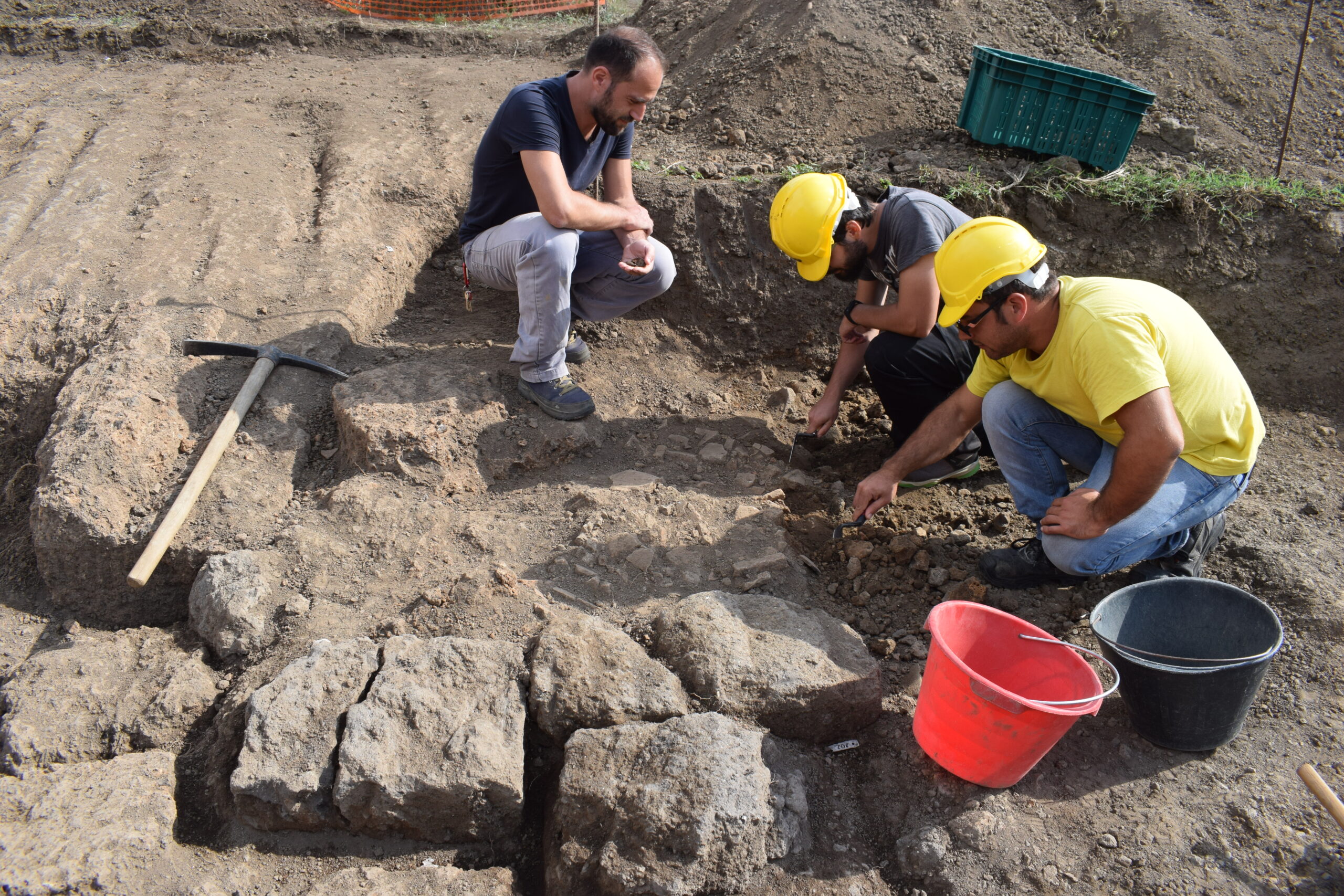
I componenti del GRAL sono archeologi, storici dell’antichità, architetti e tecnici esperti di rilievo e topografia che operano in maniera interdisciplinare. Le metodologie di ricerca sono dunque quelle attualmente praticate dall’archeologia, in tutte le sue declinazioni principali (archeologia urbana, archeologia dei paesaggi, archeologia del sacro, archeologia della morte, archeologia della produzione). Input iniziali delle ricerche sono la ricognizione territoriale e lo scavo archeologico di tipo stratigrafico (preceduto da sondaggi geognostici), che prevede l’attività sul campo di équipe assortite di specialisti (archeologi, topografi, archeometri, archeo-botanici, archeo-zoologi). Nello scavo, l’équipe si avvale per le diverse fasi operative dei moderni metodi di rilievo, documentazione e archiviazione dei dati e visualizzazione dei dati geografici attraverso GIS, carte tematiche e storymap, coinvolgendo anche le diverse competenze presenti nei Laboratori dell’ISPC attivi nel campo delle tecnologie applicate ai Beni Culturali.
Una rete di specialisti per i Beni Culturali
Collaborazioni specifiche sono in atto con ricercatori di altri Istituti CNR presenti nell’area della ricerca Roma 1 (IGAG, ISM) e con diverse Università ed Enti di ricerca (vd. elenco collaborazioni). Il gruppo partecipa inoltre alla Rete dei Laboratori del Distretto Tecnologico Beni e Attività Culturali (DTC) Lazio con: Laboratorio di Archeologia – ArcheoLab della Rete 1, Tecnologie specializzate per le scienze dell’antichità, l’archeologia, la storia dell’arte; Laboratorio di Informatica, Archeologia e Scienze dell’Antichità – INFARCH della Rete 1; Laboratorio di Archeologia e Società dell’informazione – ARCHSOCINF della Rete R2.
L’obiettivo finale delle attività scientifiche è sempre culturale e di promozione sociale, a beneficio dell’intera comunità che fruirà del bene studiato e valorizzato. In linea con la terza missione degli Enti pubblici e delle Università e con gli attuali orientamenti della Comunità europea, i ricercatori si impegnano a divulgare in maniera rapida, chiara e corretta i risultati delle proprie ricerche e a renderli accessibili anche tramite la rete e le diverse forme di archeologia pubblica e partecipata.
CNR ISPC editorial products
Il Gruppo dispone attualmente di un periodico scientifico di riferimento Mediterranea. Studi e ricerche sul Mediterraneo antico, (già Quaderni per l’archeologia etrusco-italica del CNR) e di numerose collane editoriali attive da molti anni:
- CAERE
- Le necropoli rupestri dell’Etruria meridionale
- Studia Caeretana
Teaching activity and higher education
I ricercatori del Gruppo sono titolari dei seguenti insegnamenti presso diversi Atenei:
- Archeologia degli insediamenti tardoantichi, Scuola di Specializzazione in Beni Archeologici, Università di Bologna
- Etrurien zwischen früher Eisenzeit und orientalisierender Zeit: Geschichte und materielle Kultur, Johannes Gutenberg-Universität Mainz
- Etruscologia e Antichità Italiche (Corso di Laurea Magistrale), Dipartimento di Antichità, Filosofia e Storia, Università degli Studi di Genova
- Dottorato di Ricerca in Filosofia, Università di Roma Tor Vergata
- Dottorato di Ricerca in Letterature e Culture Classiche e Moderne, Scuola di Scienze Umanistiche, Università degli Studi di Genova
- Dottorato di Ricerca in Patrimoni Archeologici, Storici, Architettonici e Paesaggistici Mediterranei: Sistemi Integrati di Conoscenza, Progettazione, Tutela e Valorizzazione, promosso congiuntamente da UNIBA, POLIBA e CNR ISPC
Staff GRAL


How to contact us
gralgroup@ispc.cnr.it
Projects and Research activities
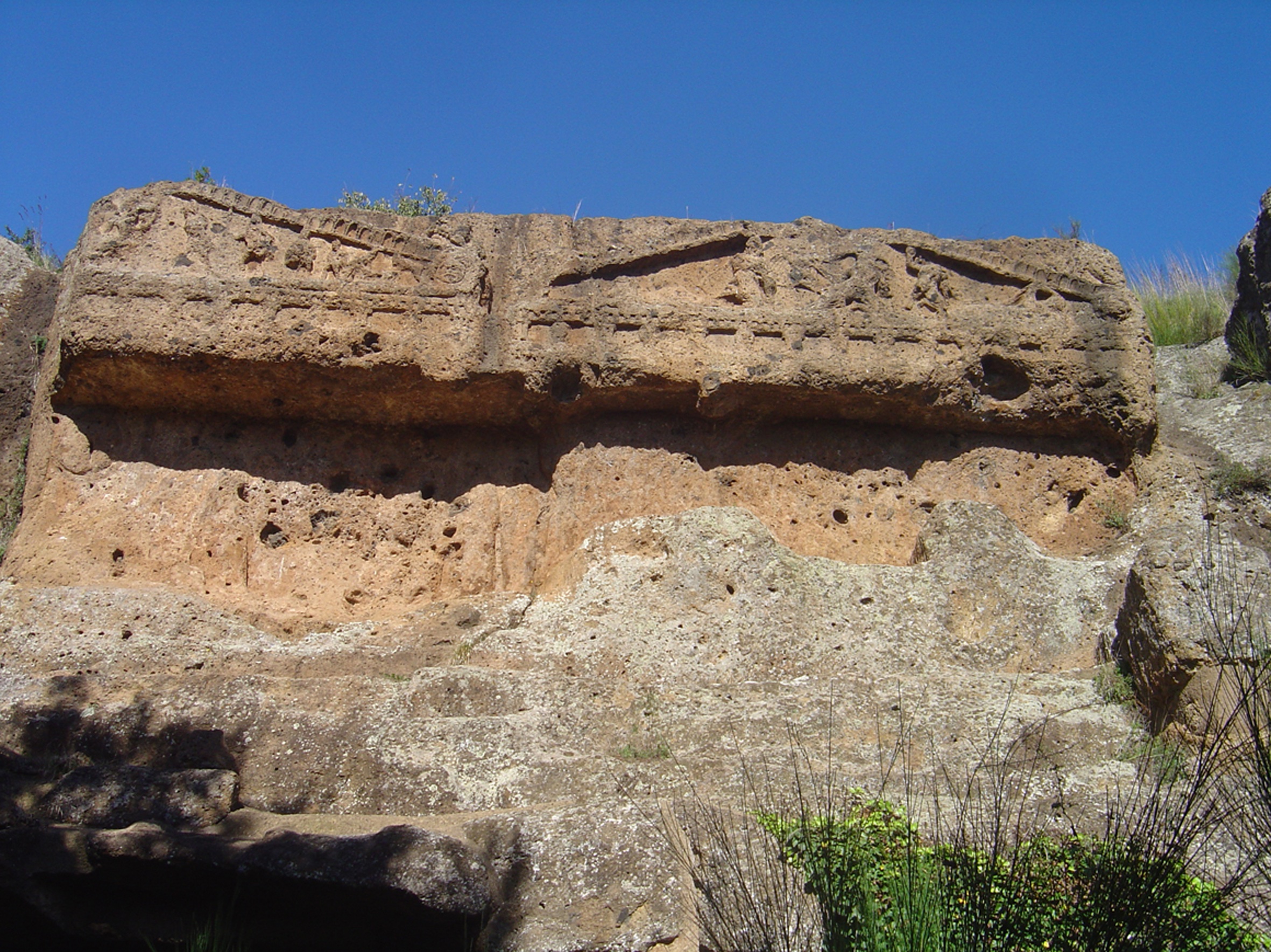
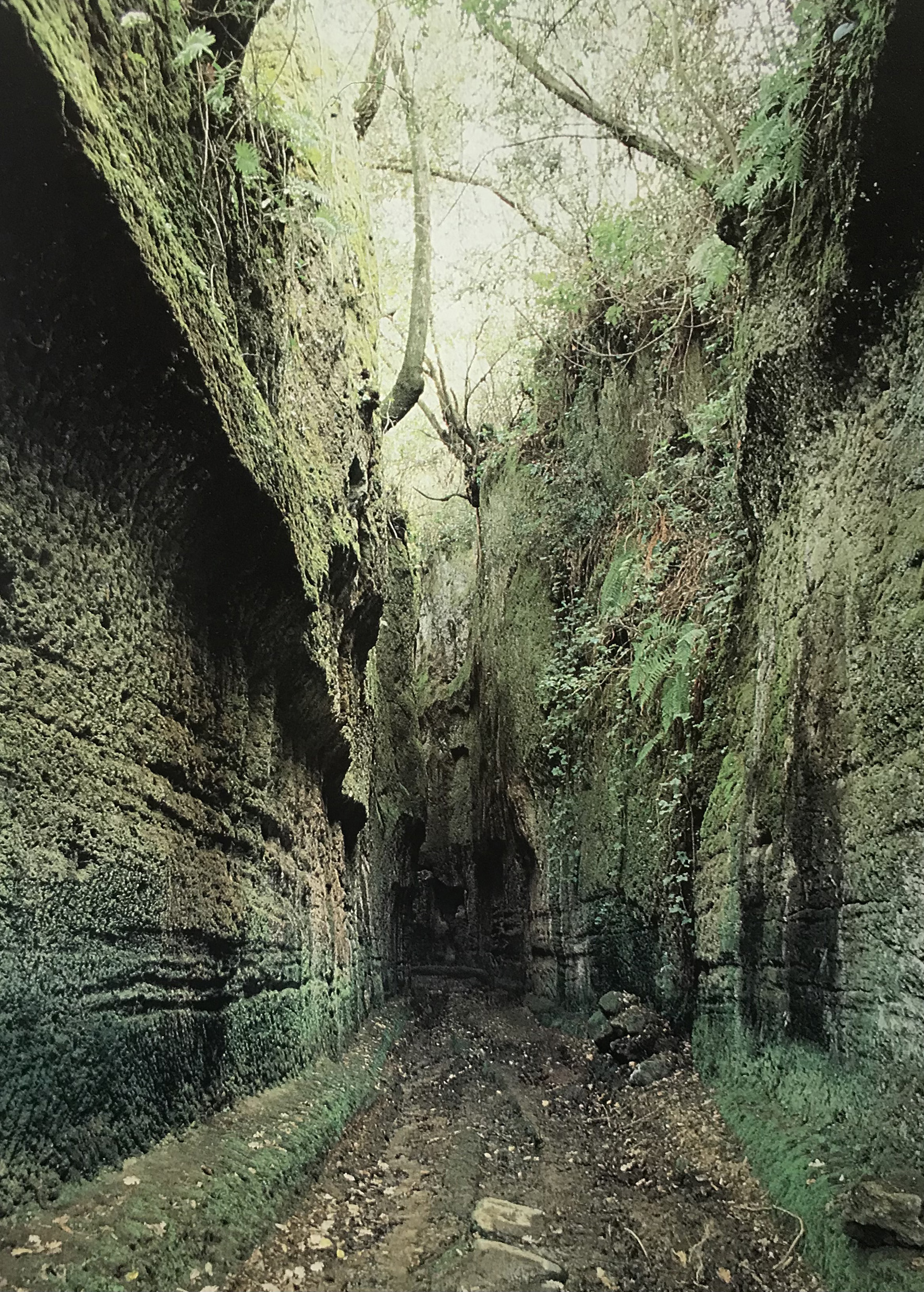
Studi e ricerche sulle necropoli rupestri; storia dell’architettura funeraria rupestre, relazioni e contatti culturali con complessi analoghi in area mediterranea.
Le attività di ricerca sull’Etruria meridionale interna riguardano siti sia etruschi che falisci. Accanto a studi di natura topografica (come quello approntato con la Società Geografica Italiana sulla Provincia di Viterbo o quello su Falerii Veteres), si sviluppano ricerche su grandi complessi funerari o monumenti di rilevante pregio architettonico come la necropoli rupestre di Norchia, finalizzate all’edizione di pubblicazioni scientifiche utili alla tutela preventiva, conservazione, valorizzazione e fruizione del patrimonio culturale indagato, alla progettazione di parchi archeologici e allestimenti museali e alla realizzazione di carte tematiche informatizzate ad uso dei piani regolatori degli Enti territoriali (resp. Laura Ambrosini).
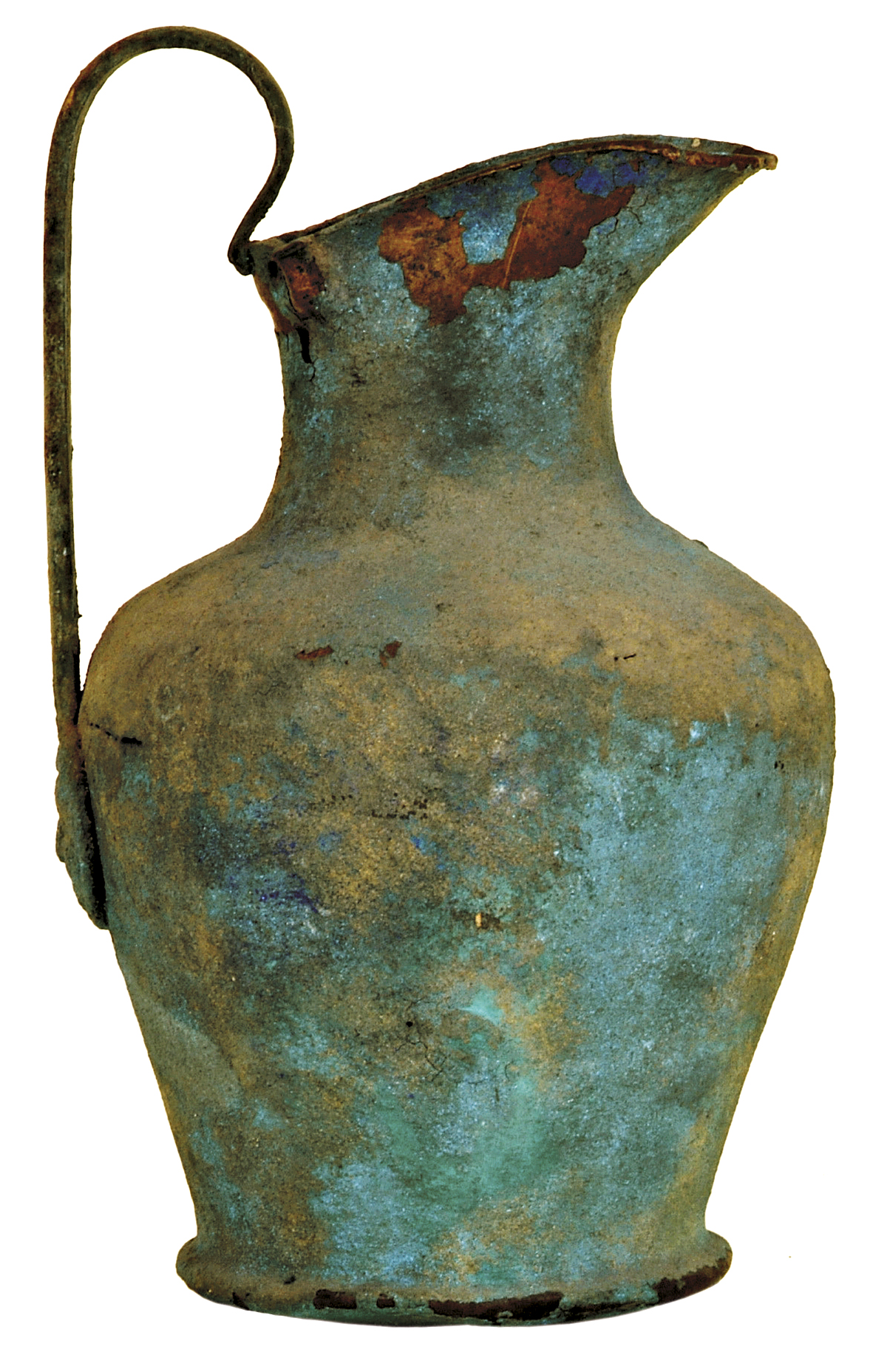
Studi sulla cultura figurativa, sui processi produttivi, sulla tecnologia e sulla circolazione dei manufatti.
L’attività di ricerca sull’artigianato artistico si sviluppa in differenti rami:
- studio sulla produzione ceramica, bronzistica, glittica, pittorica, etc., compresa l’archeometria della ceramica e dei metalli;
- il Corpus Speculorum Etruscorum;
- la ricontestualizzazione degli specchi prenestini (Corpus delle Ciste Prenestine).
(resp. Laura Ambrosini).
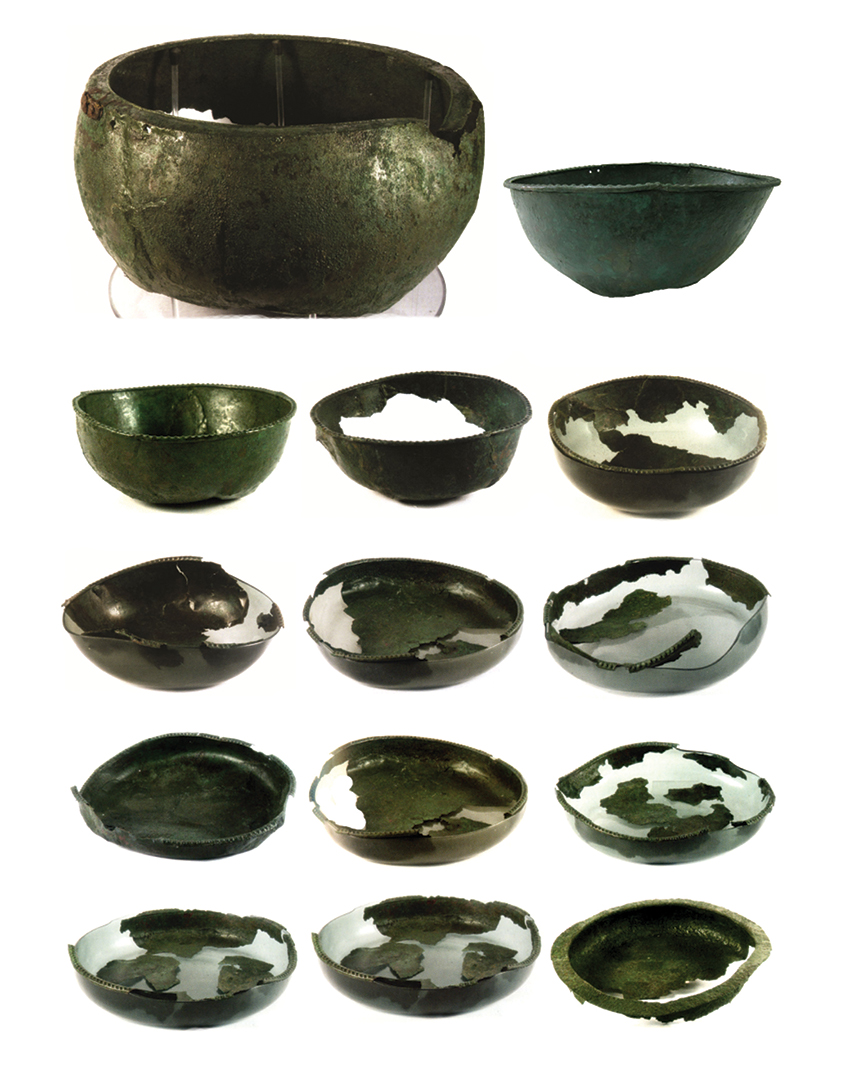
Prendendo spunto dal progetto di studio e riedizione del ricco complesso funerario con armi 104 del Fondo Artiaco a Cuma, la linea di ricerca si prefigge di indagare sia le reti di significato esistenti tra figure emergenti in Etruria meridionale e in Campania, in particolare attraverso l’esame delle cd. “insegne del potere”, sia l’interazione tra i locali e i “newcomers” durante l’orizzonte pre- e coloniale (resp. Andrea Babbi).
Scavi nell’area urbana, ricerche sull’organizzazione territoriale, pubblicazione di complessi archeologici della città e della necropoli.
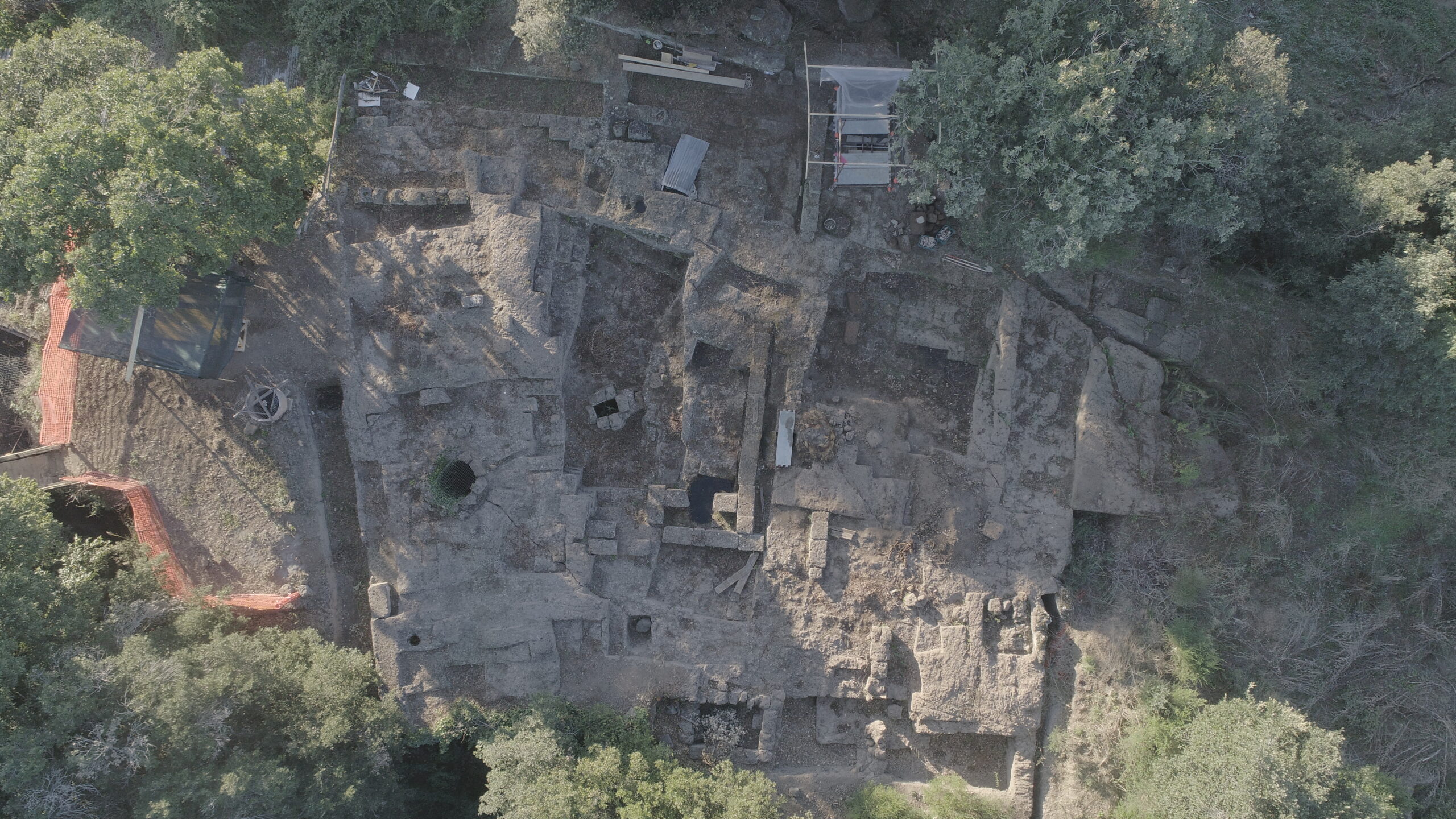
La ricerca mira ad approfondire la conoscenza di questa metropoli tirrenica, con interventi di scavo nell’area urbana e nel suo territorio, mirati a ricostruire la sua storia urbanistica e architettonica. Attualmente è in corso un intervento di scavo in concessione ministeriale (dal 2014) nel santuario del Manganello, sul versante settentrionale della città, che prevede anche l’esplorazione di cavità ipogee, in collaborazione con gli speleologi della onlus ASSO. Il progetto gode dal 2019 del sostegno della Fondazione Luigi Rovati di Monza (resp. Marco Arizza).
Lo studio mira ad indagare con prospettiva storico-archeologica alcune tipologie di manufatti antichi provenienti da collezione e da contesti di scavo, con particolare riguardo ai bronzi etruschi e romani e alle terrecotte architettoniche (resp. Alessandra Caravale).
Formazione delle aristocrazie e identità sociale, il “dono” e gli oggetti di prestigio, con approfondimento delle questioni relative agli stretti contatti culturali intercorsi tra la Puglia centro-settentrionale e l’area tirrenica, con particolare riferimento alla presenza dei numerosi oggetti di prestigio importati e deposti nei corredi di individui di spicco posti al vertice delle comunità, al loro significato e alla simbologia sottesa. Fondamentale anche l’approccio allo studio dei contesti focalizzato sull’approfondimento dell’identità sociale del defunto e alle forme di autorappresentazione (resp. Andrea C. Montanaro).
Ricerche topografiche e urbanistiche intese all’analisi quantitativa di variabili che descrivono fattori naturali e antropici connessi con la distribuzione spaziale delle testimonianze nell’ambito del territorio e degli insediamenti, attraverso un approccio interdisciplinare volto a integrare competenze archeologiche, topografiche, informatiche e archeoastronomiche (resp. Paola Moscati).
All’interno del progetto “Studi di protostoria: Territorio, dinamiche insediative, riti funerari, cultura materiale, rapporti e scambi nell’Italia medio-tirrenica”, focus principale della linea di ricerca è il centro etrusco di Veio e le sue necropoli urbane e rurali, con particolare riguardo alla dimensione sociale delle pratiche funerarie, alle strategie e dinamiche di occupazione e sfruttamento del territorio e ai materiali archeologici fra analisi tipologiche e significati culturali (resp. Alessandra Piergrossi).
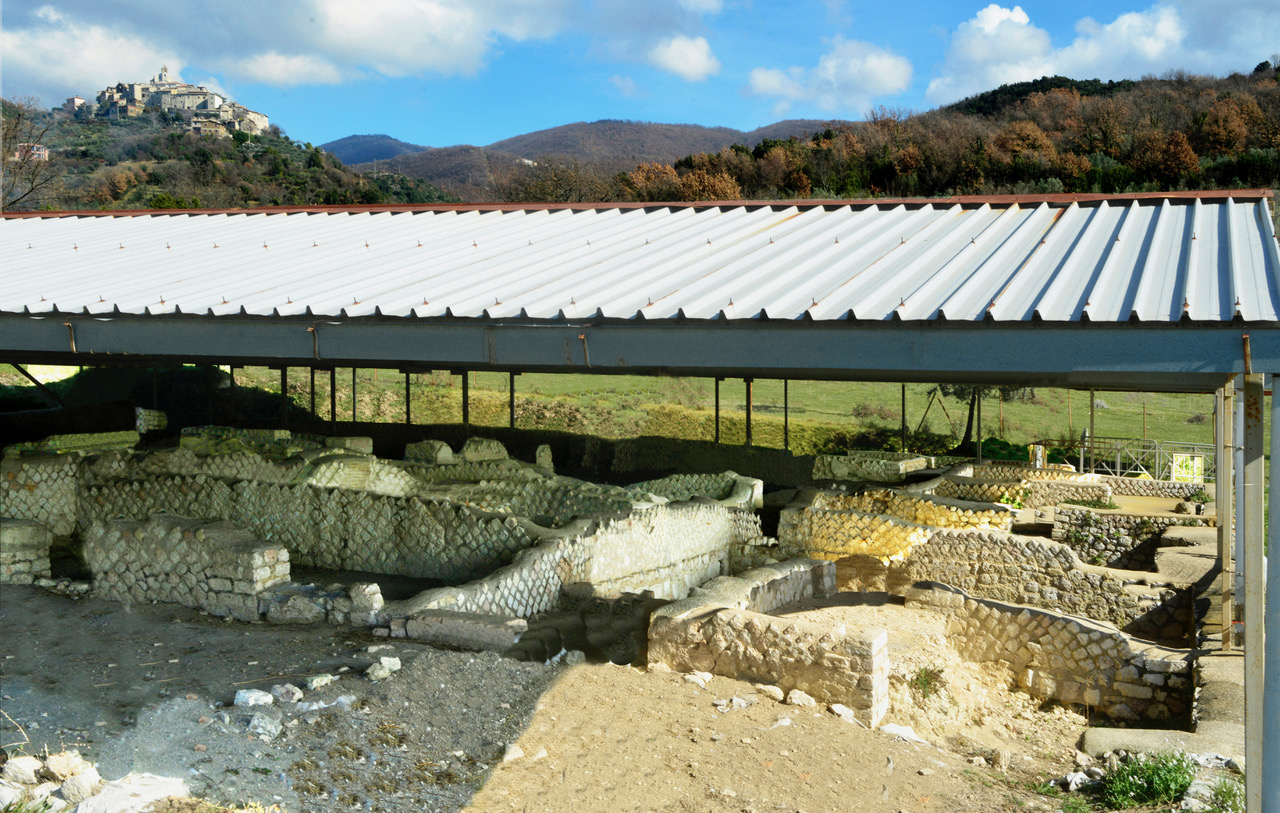
Le ricerche multidisciplinari condotte presso la villa di Cottanello (RI) con concessione del MIC dal 2013 al 2019 hanno previsto campagne di scavi, prospezioni topografiche e geofisiche, analisi delle strutture, studio archeologico e archeometrico dei materiali, ricostruzioni 3D. Il progetto prosegue con iniziative per la conservazione e la valorizzazione della villa, lo studio delle altre ville romane presenti nel territorio della Sabina Tiberina e la divulgazione dei risultati della ricerca anche mediante web e applicazioni multimediali (resp. Carla Sfameni).

For further information on ISPC research activities click the button.
Main collaborations
Universities
- Alma Mater Studiorum Università di Bologna
- Cyprus University of Technology
- Goethe-Universität Frankfurt am Main
- Johannes Gutenberg Universität Mainz
- Rheinische Friedrich-Wilhelms Universität Bonn
- Sapienza University of Rome
- Universidade de Évora
- Università degli Studi di Modena e Reggio Emilia
- Universität München
- Università degli Studi di Napoli “Federico II”
- Università degli Studi di Napoli “Suor Orsola Benincasa”
- Università degli Studi di Padova
- Università degli Studi di Perugia
- Università del Salento
- Vrije Universiteit Amsterdam
Musei e Parchi archeologici
- Direzione Regionale Musei Lazio, Roma
- Leibniz-Forschungsinstitut für Archäologie des Römisch-Germanischen Zentralmuseums (RGZM), Mainz
- Museo Archeologico della Città metropolitana di Bari
- Museo dell’Agro Veientano, Formello
- Museo delle Civiltà (Museo preistorico etnografico Luigi Pigorini), Roma
- Museo del Louvre, Parigi
- Museo di Belle Arti, Budapest
- Museo Nazionale Etrusco di Villa Giulia, Roma
- Museum of Cultural History, Oslo
- Parco Archeologico di Cerveteri e Tarquinia
- Paul Getty Museum, Los Angeles
- Polo Museale della Puglia, Bari
- Regione Siciliana, Polo Regionale delle Isole Eolie per i siti culturali – Parco Archeologico e Museo Archeologico L. Bernabò Brea di Lipari
Istitutions
- Centro Interuniversitario di Studi sull’Edilizia abitativa tardoantica nel Mediterraneo (CISEM)
- Comuni di Capodimonte(VT), Cerveteri (RM), Cottanello (RI) e Marta (VT).
- Curt-Engelhorn-Zentrum Archäometrie gGmbH, Mannheim
- École française de Rome
- Fondazione Luigi Rovati, Monza
- Fondazione per il Museo “Claudio Faina”, Orvieto
- Istituto Archeologico Germanico, Roma
- International Association for Research on Pottery of the Hellenistic Period, Würzburg
- Istituto Centrale per il Catalogo e la Documentazione, Aerofototeca Nazionale, Roma
- Istituto Centrale per l’Archeologia (ICA), Roma
- Istituto Nazionale di Studi Etruschi ed Italici, Firenze
- Istituto Superiore per la Protezione e la Ricerca Ambientale, Roma
- Istituto Superiore per il Restauro e la Conservazione (ISCR), Roma
- Osservatorio Tecnologico per i Beni e le Attività Culturali (OTEBAC) – Ministero della Cultura
- Royal Institute for Cultural Heritage (KIK/IRPA), Bruxelles/BE
- Soprintendenza Archeologia Belle Arti e Paesaggio dell’area metropolitana di Roma e della Provincia di Rieti
- Soprintendenza Archeologia Belle Arti e Paesaggio dell’Etruria meridionale e della Provincia di Viterbo
- Soprintendenza Speciale Archeologia Belle Arti e Paesaggio di Roma
- Soprintendenza Archeologia, Belle Arti e Paesaggio Puglia
- The British School at Rome
Main publications
M. Arizza, Tra ostentazione e austerità. Le tombe di Veio tra VI e IV sec. a. C., Arbor sapientiae editore, Roma 2020.
L. Ambrosini, Corpus Speculorum Etruscorum, Italia 7, Roma Museo Nazionale Romano 1. Museo delle Antichità Etrusche e Italiche. Sapienza Università di Roma. Collezione Gorga, Roma 2012.
L. Ambrosini, Norchia III. Le Tombe a Tempio con un’appendice sulla Tomba Lattanzi, CNR Edizioni, Roma 2018.
A. Babbi, U. Peltz, La Tomba del Guerriero di Tarquinia. Identità elitaria, concentrazione del potere e networks dinamici nel tardo VIII sec. a.C. – Das Kriegergrab von Tarquinia. Eliteidentität, Machtkonzentration und dynamische Netzwerke im späten 8. Jh. v. Chr., Mainz 2013.
V. Bellelli et al. (eds.), Gli Etruschi e il Mediterraneo. La città di Cerveteri, catalogo della mostra, Parigi 2013.
A. Caravale, Museo Claudio Faina di Orvieto. Bronzetti votivi, Perugia 2003; Vasellame, Perugia 2006.
F. Colosi, A. Costantini, La Sabina tiberina in epoca romana. Ricognizioni nel territorio tra Otricoli e Magliano Sabina, CNR Edizioni, Roma 2017.
A.C. Montanaro, Processi culturali e diffusione degli oggetti di prestigio nella Puglia preromana. Le influenze dell’Orientalizzante tirrenico, in A. Naso et al. (eds.), The Orientalizing Cultures in the Mediterranean, 8th-6th Cent. BC. Origins, Cultural Contacts and Local Developments. The Case of Italy, Proceedings of the International Conference (Rome 2017), “Mediterranea”, Suppl. 2020, Roma 2021, 277-314, c.s.
P. Moscati, Archaeological Computing and Ancient Cities: Insights from the Repository of «Archeologia e Calcolatori», in S. Garagnani, A. Gaucci (eds.), Knowledge, Analysis and Innovative Methods for the Study and the Dissemination of Ancient Urban Areas, Proceedings of the KAINUA 2017 International Conference (Bologna 2017), “Archeologia e Calcolatori”, 28.2, 47-66.
P. Pensabene, C. Sfameni (a cura di), La villa romana di Cottanello. Ricerche 2010-2016, Bari, 2017.
A. Piergrossi, Veii in the Eight Century BCE, in J. Tabolli (ed.), Veii – An Etruscan City, Cities of the Etruscans, 2, Austin 2019, 55-65.