


Faro Italy Network | CNR ISPC group

CNR ISPC as a facilitator of the sustainable development of heritage communities in implementing the Faro Convention
Background context
The Council of Europe Framework Convention on the Value of Cultural Heritage for Society (Faro Convention), signed in Faro (Portugal) in 2005, entered into force in 2011 and was ratified by Italy in 2020.
The Convention integrates and consolidates previous Council of Europe instruments, highlighting the key aspects of heritage in relation to human rights and democracy, and promoting a broader understanding of heritage and its relationship with communities and society.
The Convention recognizes the right to benefit from cultural heritage (Art. 4), as an expression of the right to participate in the cultural life of the community (Art. 1) and of the right to education (Preamble, para. 4). The Convention focuses on citizen participation and on the values that people attribute to forms of cultural heritage (e.g. objects, traditions, places, practices, etc.). In particular, Article 2 defines a Heritage Community as a group of people who value specific aspects of cultural heritage and who wish, within the framework of public action, to support and transmit them to future generations.
A distinctive feature of the Faro Convention is the attribution of direct responsibility to Heritage Communities for enhancing the commons they regard as their own, formally or informally, through a participatory, open, and plural process.
To enhance the complexity of Italy's cultural offerings, the Council of Europe launched the Faro Italia Network, a spontaneous aggregation of Italian heritage communities, institutions, and associations, collaborating in line with the principles and criteria of the Faro Convention.
Since January 2022, CNR ISPC has been an institutional member of the Faro Network, with the participation of 28 staff members, including researchers, technologists, technicians, and research fellows.
More info
Faro Convention →
Faro Italian Platform (FIP) →


Objectives
The CNR ISPC Faro Italy Network works in synergy with local administrations, research bodies, associations and cultural foundations, schools, and universities, with the aim of communicating the results of the scientific research carried out and involving diverse audiences in processes that foster full awareness of the value of tangible and intangible cultural heritage, in full adherence to the principles of the Faro Convention.
In this sense, the working group proposes and promotes initiatives across the national territory, in connection with the Faro Italy Network and on the occasion of national events, including the European Heritage Days, the Heritage Walks promoted by the Council of Europe, the Science Festivals of Genoa and Rome, and the International Faro Film Festival, with the following objectives:
Research topics
- Italian tangible and intangible heritage in relation to climate change
- Cultural heritage, human rights, and the safeguarding of democracy
- Cultural heritage and sustainable development
- Cultural tourism and heritage communities
- Training and communication strategies for heritage communities
- to share the objectives and principles of the Faro Convention, which affirms the value of cultural heritage for European society as a human right
- to define and implement actions and strategies aimed at raising community awareness (starting with schools) for the protection, conservation, and enhancement of cultural heritage, also understood as a widespread heritage
- to facilitate the establishment of Heritage Communities and Community Networks at sites involved in research activities
- to plan and co-organize training activities on specific topics
- to monitor the responses and needs of Heritage Communities
- to analyse the relationship between scientific research (Three-Year Research Plan), cultural policies, and specific regulatory innovation
- to update the Faro Italian Platform (FIP) on Heritage Communities through our activities
- to participate in technical working groups, conferences, and congresses related to Cultural Heritage Communities and Citizen Science
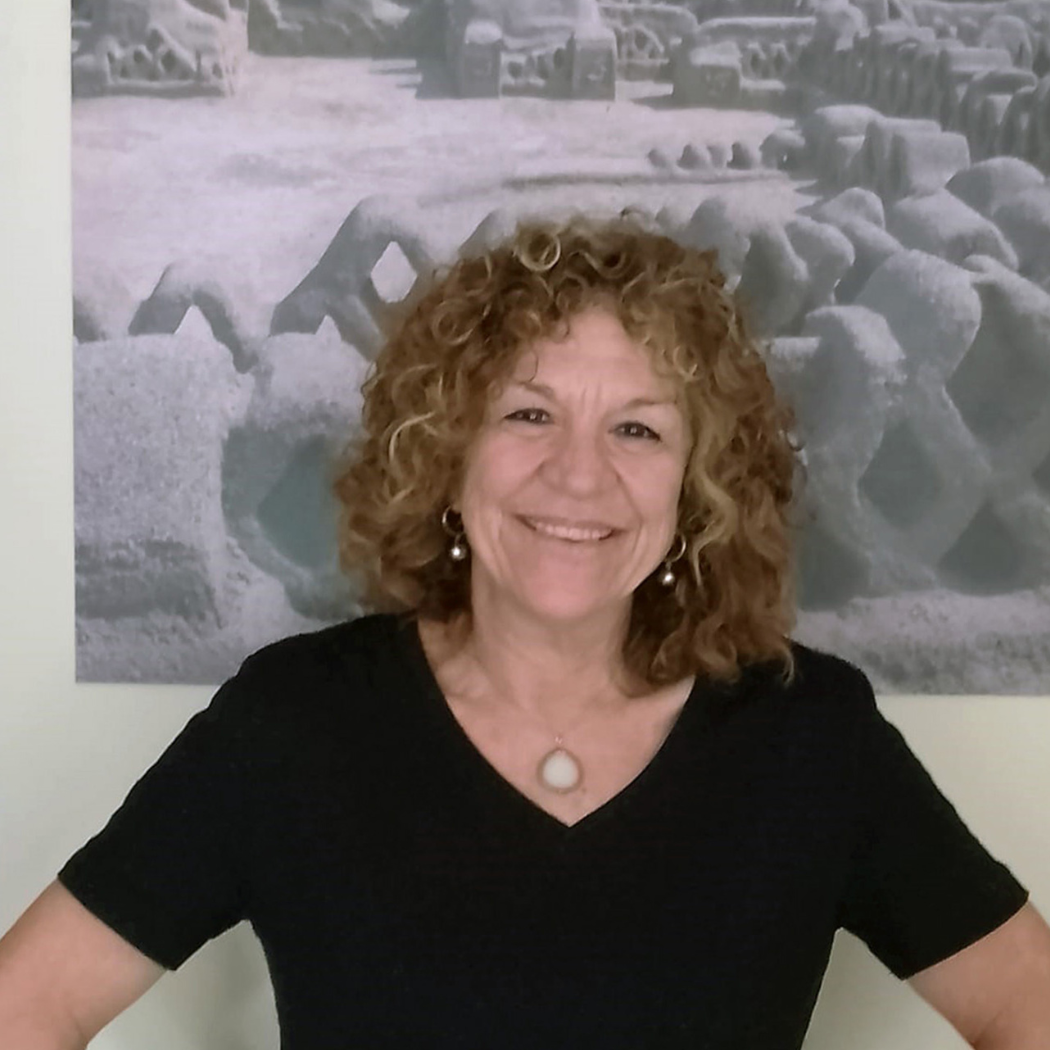
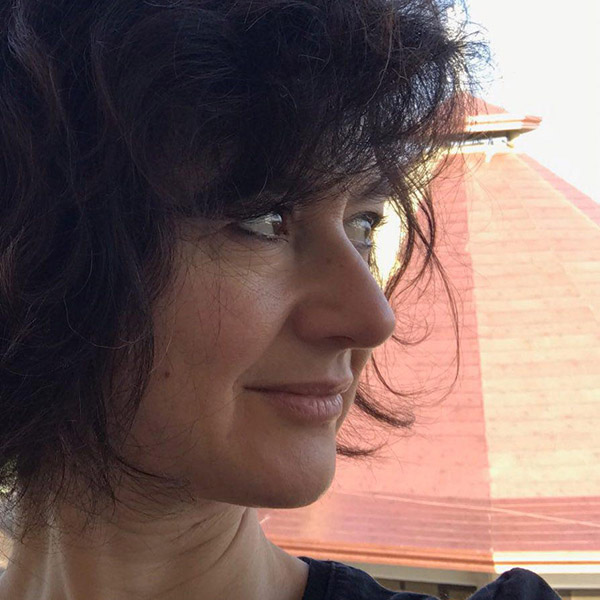
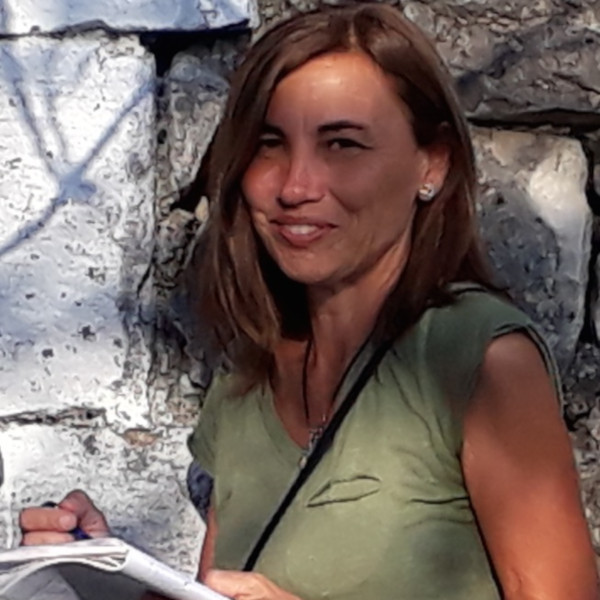
The CNR ISPC Group








How to contact us
Group Coordinator
Maurizio Lazzari →
Group Coordination Team
Francesca Colosi →
Laura Genovese →
Carla Sfameni →


Ongoing activities
Identify, document and enhance practices and knowledge, traditions, and expressions of Italian intangible cultural heritage that are particularly vulnerable to processes of social transformation, depopulation, and loss of collective memory. The action is grounded in the principles of the Faro Convention and recognizes the central role of heritage communities in the processes of identification, protection, and transmission of cultural heritage. Through participatory methodologies, qualitative data collection, and collaborative mapping, the project aims to build a shared knowledge framework on intangible heritage at risk and on the community practices activated for its safeguarding. The initiative also contributes to strengthening territorial networks and raising awareness among institutions and citizens about the social value of intangible cultural heritage.
Partner
- Faro Italy Network
- Council of Europe
- ICOMOS Italy
- Italian Ministry of Culture (Central Institute for Intangible Heritage; Department for General Administration - Directorate-General for European and International Affairs Service I; Superintendencies)
- Heritage communities belonging to the Faro Italy Network
- Municipalities and local administrations
- Cultural and social promotion associations
- Museums, ecomuseums, archives, and local libraries
- Universities and national research institutions
Role of the ISPC group: Scientific coordination of census and analysis activities, development of participatory methodologies, data collection and systematization, support for heritage communities, promotion of dissemination and knowledge-transfer activities.
Key results
- Involvement of heritage communities and territorial stakeholders.
- Seminars, public meetings, and workshops within the Faro Italy Network.
- Definition of census forms, reports, and dissemination materials.
Fostering the creation of a thematic network of Heritage Communities focused on the historical use of water to power historic hydraulic machinery (mills, fulling mills, paper mills, sawmills, ironworks) and for horticulture. In the initial start-up phase, the activity focused on the Lucanian heritage communities, which were also provided with scientific support for project initiatives aimed at the recovery and restoration of ancient factories with PNRR and European funds.
Partner
- 2 Heritage Communities belonging to the Faro Italy Network
- Municipality of Picerno (PZ)
- Municipality of San Martino d'Agri (PZ)
- Municipality of Tito (PZ)
- Lucania Film Commission
Role of the ISPC group: Coordinamento scientifico delle attività di censimento degli opifici idraulici storici, regia e realizzazione di un filmdoc sulle Water Communities e sua disseminazione tra le comunità patrimoniali, sviluppo delle metodologie partecipative, raccolta e sistematizzazione dei dati, supporto alle comunità patrimoniali, promozione delle attività di divulgazione e trasferimento della conoscenza.
Key results
- 30-minute film documentary on the Water Communities, finalist at the International Faro Film Festival in Venice 2025, honorable mention at the UK Sustain Film Festival, and finalist at the Borgo Film Festival in Palermo - Frank Capra Award.
- Involvement of heritage communities and territorial stakeholders.
- Seminars, public meetings, and workshops within the Faro Italy Network.
- Definition of questionnaires for monitoring public engagement and dissemination materials.
More info
Filmdoc Water Communities – Directed by Danilo P. Pavone, CNR ISPC →
TGR Basilicata 28/05/2026 by Viviana Pentangelo – editing by Simona Spano →
'The Water Community', a short film by Cnr-Ispc, selected among the four finalists at the Faro Film Festival →


Events
Conference on Climate Change and Intangible Heritage and 12th National Meeting of the Faro Italy Network
October 20-21, 2026
Lecce
L’evento si articola in due giornate: la prima dedicata a un convegno tematico, la seconda alla riunione nazionale della Rete Faro, con il coinvolgimento dei gruppi di lavoro e delle comunità patrimoniali.
L’iniziativa intende approfondire temi di grande rilevanza per i territori, offrendo nuove prospettive e visioni strategiche sulle relazioni tra cambiamenti climatici e patrimonio culturale immateriale, di cui si propone una lettura critica e contestualizzata.
I cambiamenti climatici rappresentano infatti una minaccia crescente per il patrimonio culturale, incidendo sia sui beni materiali (attraverso eventi estremi e processi di degrado) sia sui contesti sociali e paesaggistici. In questo quadro, si rendono necessarie strategie integrate di adattamento e resilienza, capaci di coniugare tutela e valorizzazione del patrimonio materiale e immateriale, riconoscendo al patrimonio stesso un ruolo attivo nella sensibilizzazione sulla crisi climatica e nel rafforzamento del legame tra comunità e ambiente.
The event is organized by the CNR ISPC Faro Italy Network, in collaboration with Italia Nostra Sud Salento and the Petrolla Heritage Community (Ostuni, Brindisi). The conference will involve experts from the Italian Ministry of Culture (MiC) and ICOMOS Italy, together with representatives from the University of Salento and regional institutions.
Giornate Europee del Patrimonio (European Heritage Days)
September 26-27, 2026
Events held across multiple sites, dedicated to the EHD 2026 theme “Heritage at Risk: Revive, Resist, Reimagine.” The events aim to raise community awareness of strategies to address critical issues affecting cultural heritage, including climate change, mobility, digitalization, and conflicts.
Gli eventi sono organizzato dal Gruppo CNR ISPC Rete Faro Italia, in collaborazione con associazioni locali e nazionali, istituzioni regionali e comunali e le Comunità patrimoniali.
VISITE GUIDATE | Giornate Europee del Patrimonio (European Heritage Days)
La villa romana degli Aurelii Cottae
27 settembre 2026 | ore 10.30 – 13.00
Cottanello (RI)
Dopo circa due anni di chiusura a seguito di un intervento PNRR, torna nuovamente visitabile domenica 27 settembre 2026, in occasione delle Giornate Europee del Patrimonio, la villa romana degli Aurelii Cottae a Cottanello (RI). L’apertura, con visite guidate gratuite e senza prenotazione, sarà curata dai funzionari della Soprintendenza Archeologia, Belle Arti e Paesaggio per l’area metropolitana di Roma e per la provincia di Rieti, in collaborazione con il Comune di Cottanello e il Consiglio Nazionale delle Ricerche – Istituto di Scienze del Patrimonio Culturale.
La villa romana degli Aurelii Cottae, scoperta nel 1968 per il crollo della volta di un criptoportico durante lavori agricoli, è conosciuta solo parzialmente poiché finora è stata indagata soltanto una parte del settore residenziale. Il complesso apparteneva alla famiglia dei Cottae, un ramo sabino della gens Aurelia, che avrebbe dato il nome anche al paese di Cottanello. L’attribuzione alla famiglia è stata possibile sulla base di alcuni orli di dolia recanti il bollo di M(arci) Cottae, probabilmente riconducibile al noto personaggio legato all’imperatore Tiberio.
La visita alla villa offre l’opportunità di apprezzare la complessità e la raffinatezza di una residenza di età imperiale, caratterizzata da numerosi mosaici pavimentali, alcuni dei quali di particolare eleganza e realizzati con piccole tessere colorate. Tra queste spiccano le tessere rosse in marmo di Cottanello, materiale lapideo particolarmente pregiato e strettamente legato al territorio.

SIMPOSIO | Giornate Europee del Patrimonio (European Heritage Days)
Il turismo fra opportunità e rischio: rivivere, resistere, reimmaginare i contesti UNESCO
26 settembre 2026
Centro Visite di Crespi d’Adda, Capriate San Gervasio (BG)
Di fronte alle molteplici sfide di una società in rapido cambiamento, di sollecitazioni culturali globali, dell’accelerazione degli spostamenti delle persone anche legati alla pressione del mercato turistico, il patrimonio UNESCO è a rischio. Il villaggio operaio di Crespi d’Adda (UNESCO 1995) può offrire interessanti spunti di riflessione sulla capacità di reimmaginare i contesti UNESCO. Attraverso un simposio, la mattina, e una passeggiata patrimoniale, il pomeriggio, l’evento vuole offrire una occasione di incontro e riflessione fra studiosi, professionisti e comunità locale sul tema del turismo come possibile leva di reazione proattiva delle comunità UNESCO, verso nuove forme di organizzazione e di proposta culturale.
La giornata è organizzata dal Gruppo CNR ISPC Rete Faro Italia, in collaborazione con l’Associazione Crespi d’Adda e con Fondazione 101 e con il patrocinio di ICOMOS – Consiglio Internazionale dei Monumenti e dei Siti Italia e di ERIH – Itinerario Europeo del Patrimonio Industriale Italia e inserisce nel calendario degli eventi della rete ERIH Italia per le GEP 2026.
L’evento è gratuito ma è necessaria l’iscrizione.

CNR ISPC CONFERENCE " Voci della Rete"
Workshop Faro Italy Network and Heritage Communities: state of the art, institutional synergies, and future prospects
May 26, 2026
Complesso Monumentale Donnaregina, Napoli
The workshop, organized within the CNR ISPC Conference "Voci della Rete", aimed to promote an opportunity for interdisciplinary and interinstitutional dialogue on issues related to the Faro Convention, with particular attention to how the principles of cultural participation, Heritage Communities, and the co-creation of knowledge can be integrated into cultural heritage research, protection, and enhancement activities. The meeting sought to foster dialogue between the ISPC scientific community and some of the key national institutional stakeholders involved in the implementation of the Faro Convention in Italy (e.g., ICOMOS Italy, the Faro Italian Platform, and the Faro Italy Network Secretariat), creating a space for shared reflection on the opportunities, challenges, and future perspectives of this approach. Particular attention was also paid to the relationship between scientific research, cultural policies, and regulatory innovation, with specific reference to the potential offered by the recent Law 40/2026, which introduces significant amendments to the Cultural Heritage and Landscape Code (Legislative Decree 42/2004), strengthening reference to the principles of the Faro Convention and opening new perspectives for the integration of participatory practices into cultural heritage protection and enhancement.
The workshop was organized by Maurizio Lazzari, Francesca Colosi, Carla Sfameni, and Laura Genovese (CNR ISPC).

Main publications
Genovese L., Alberti L., Colosi F., Grano M.C., Bellia A., Greco G., Sfameni C., Lazzari M. 2024 – Cooperation Solutions for the Local Sustainable Development of Heritage Communities: Role and Contributions of the Faro Italia Network. In: Calabrò, F., Madureira, L., Morabito, F.C., Piñeira Mantiñán, M.J. (eds) Networks, Markets & People. NMP 2024. Lecture Notes in Networks and Systems, vol 1184, pp 340–353. Springer, Cham. DOI: https://doi.org/10.1007/978-3-031-74608-6_33
Colosi F., Genovese L., Lazzari M., Sfameni C. 2025 – Patrimonio e futuro: il contributo del gruppo ISPC” Rete Faro Italia” per le nuove generazioni. Intervento alla Conferenza annuale del Dipartimento di Scienze umane e sociali, patrimonio culturale (DSU) “Immaginare e costruire futuri sostenibili”, CNR, Aula Convegni, 21 gennaio 2026. CNR Editore
Grano M.C., 2025, Historic Water Mills as Regenerative Ecosystems: Integrating Technologies, Community Engagement and Sustainable Landscape Management. Cities, 162, 105982 ISSN 0264-2751. DOI: https://doi.org/10.1016/j.cities.2025.105982
